2026 Annual Conference
Hope in Action:
Supporting Children & Families Across Missouri
Moving Forward with Action & Hope
Saint Louis Crisis Nursery Resources for Collective Advocacy & Care
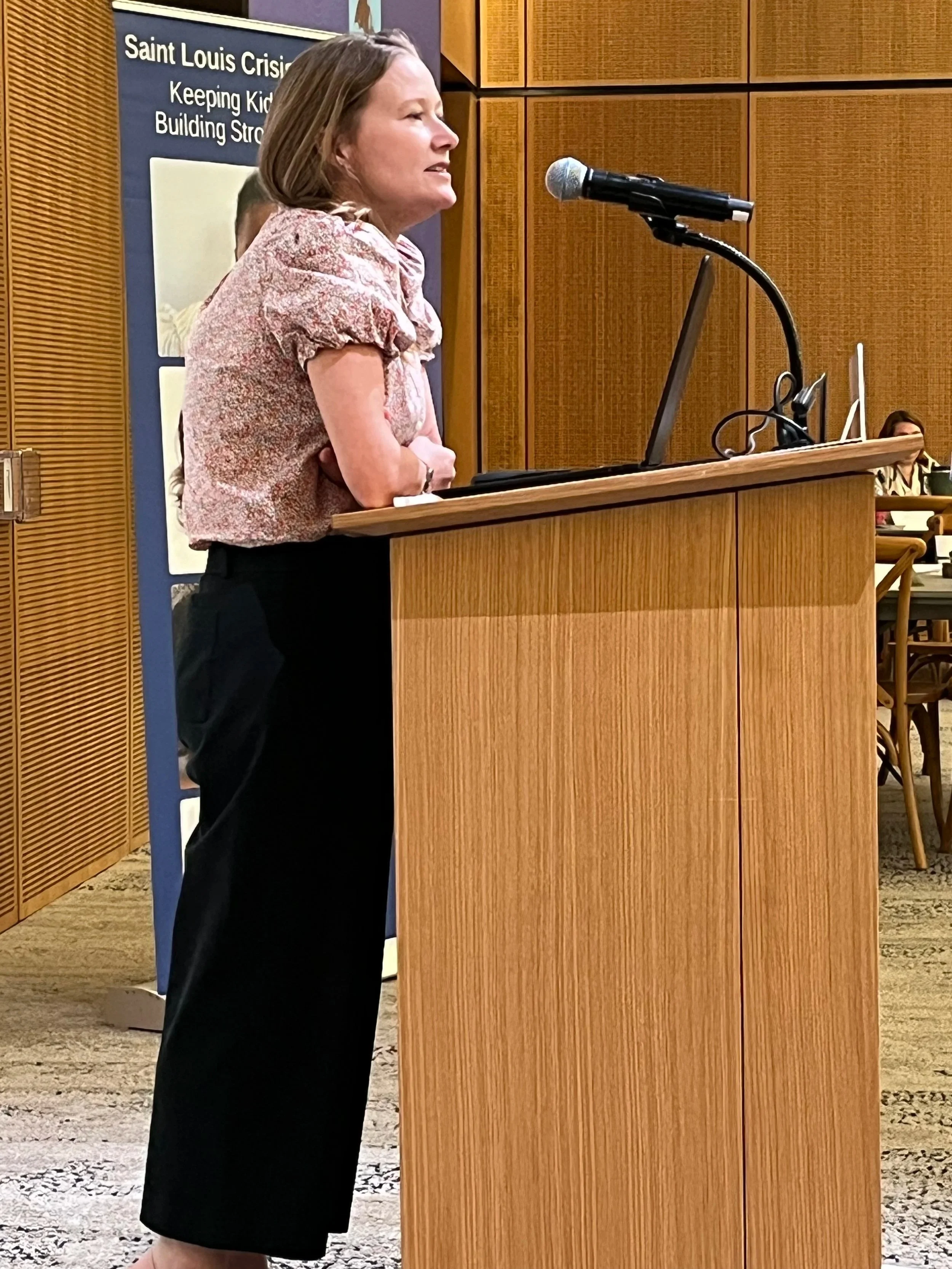
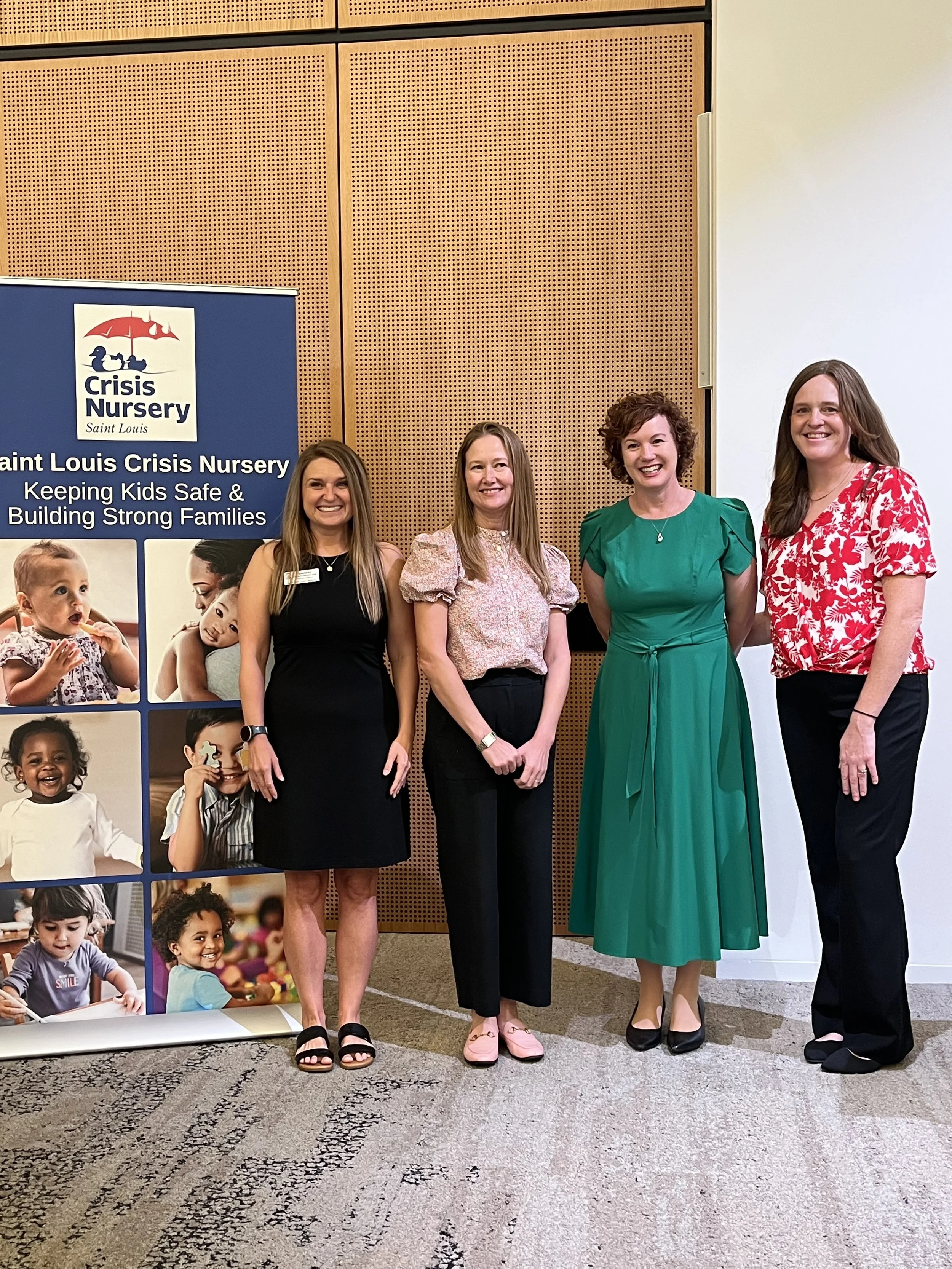
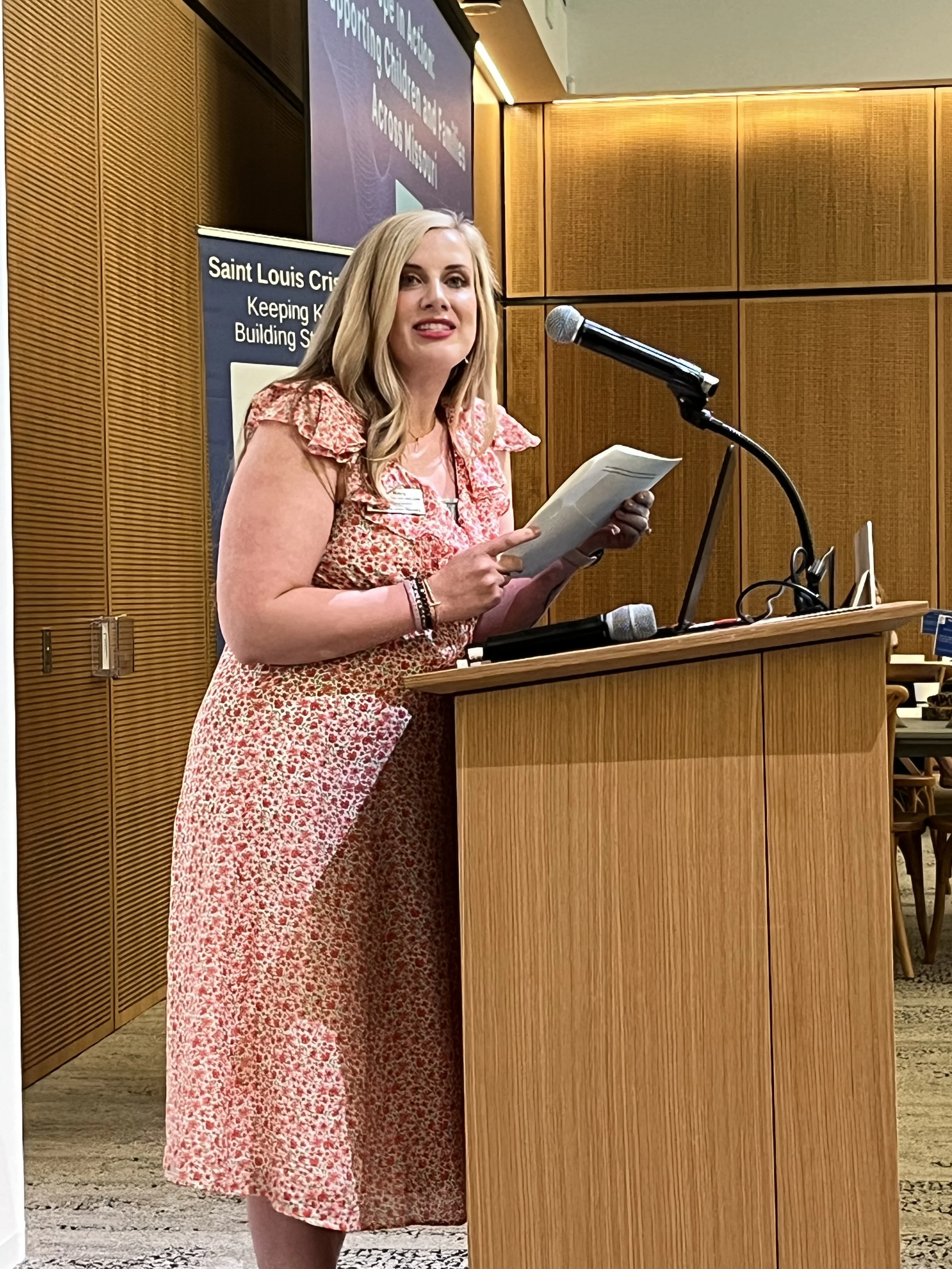
2026 Annual Conference Speakers

-
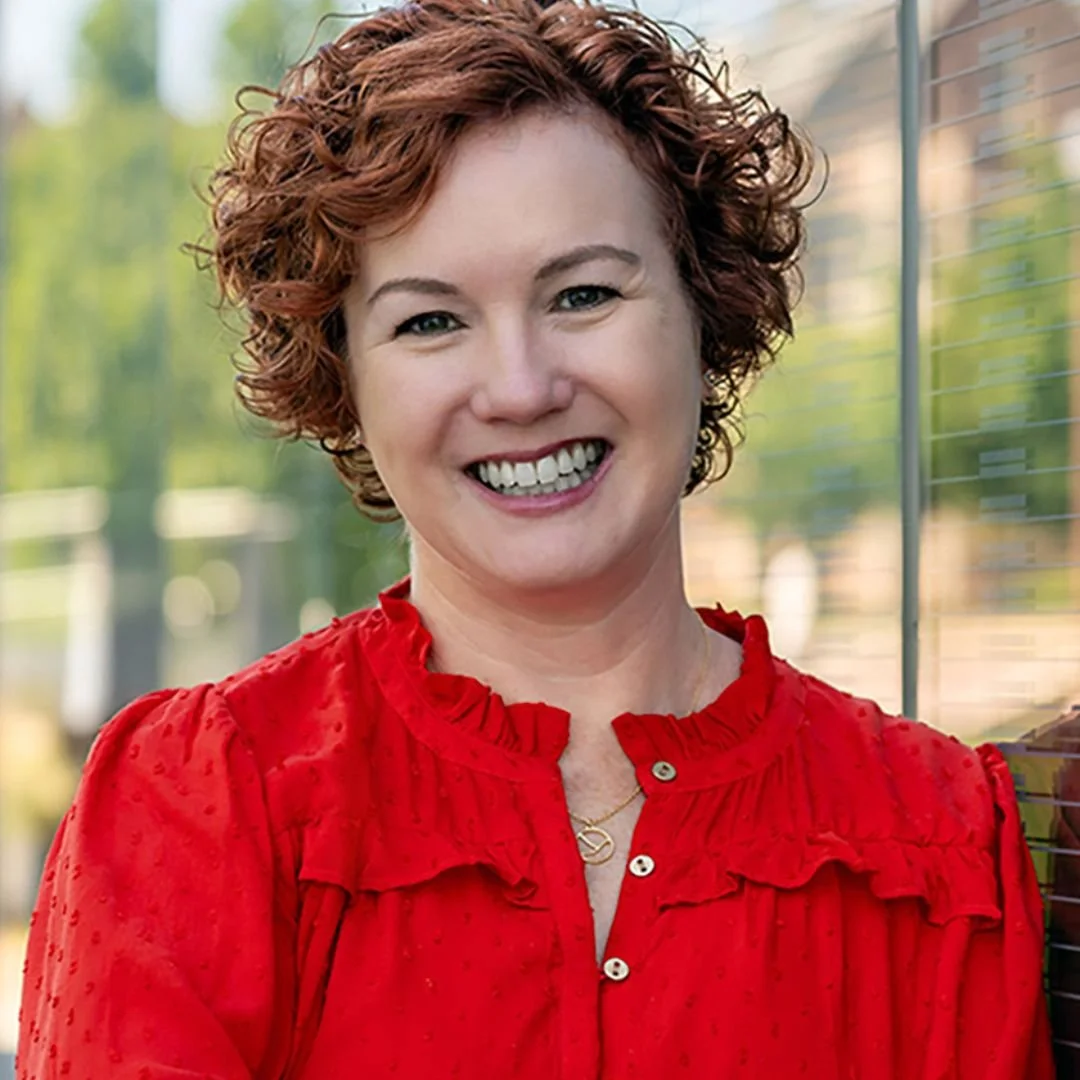
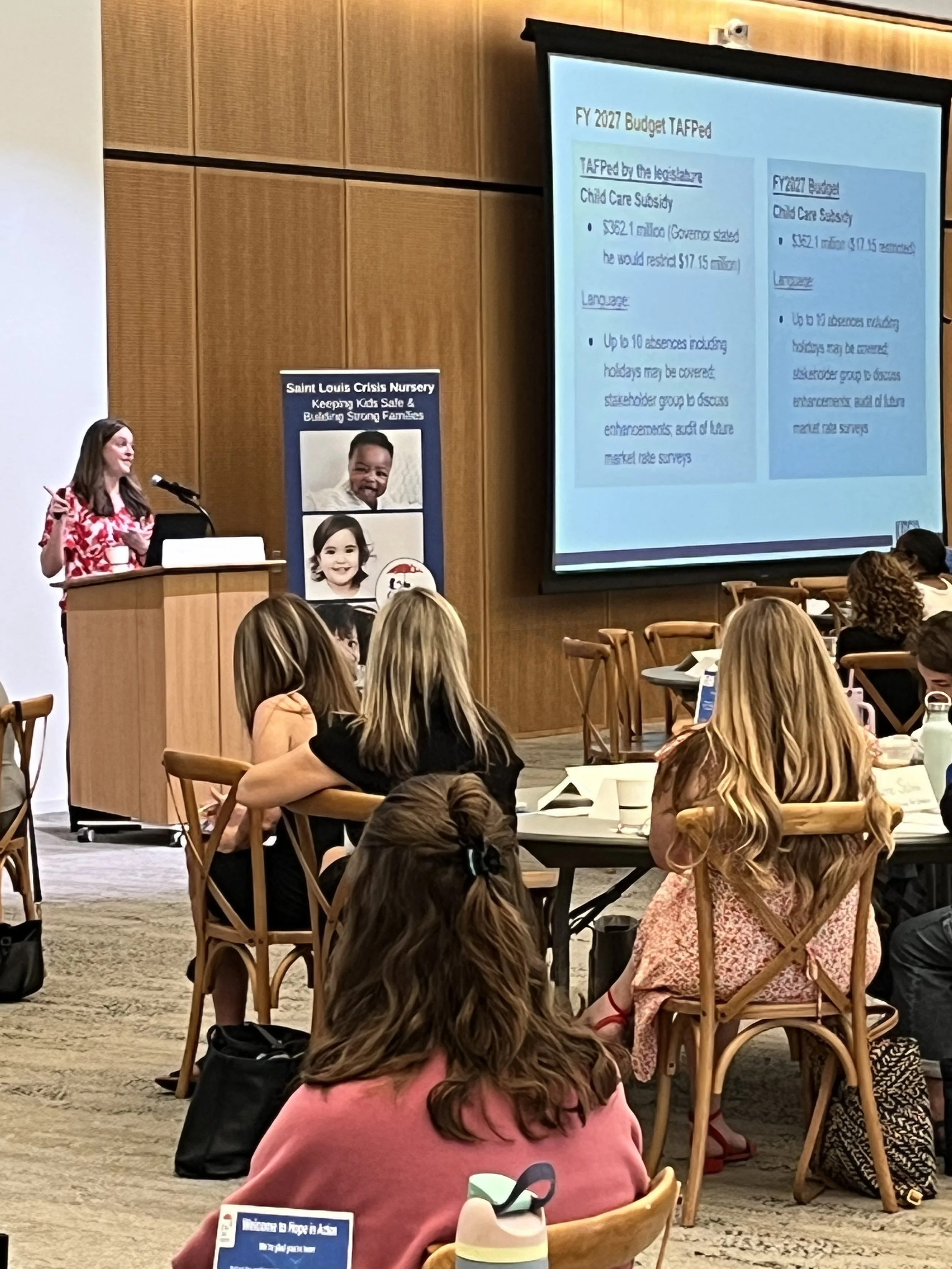
Deputy Director
Casey Hanson is the Deputy Director at Kids Win Missouri and plays a leadership role in the organization’s stakeholder engagement initiatives and child health policy. Prior to her current role, Casey was the Policy and Communications Coordinator for the Missouri AfterSchool Network (MASN). She also has years of experience working in government and politics in Missouri as a legislative staffer in the Missouri House and organizer on multiple issue-based and candidate campaigns. Casey’s passion for working on child well-being issues has been fueled by her direct experiences as a program volunteer, staff person, and parent. She currently serves on the boards of the Show Me School Based Health Alliance and Lemay Child and Family Center. Casey is a proud Mizzou alum and currently resides in St. Louis with her husband, two sons and puppy.
-
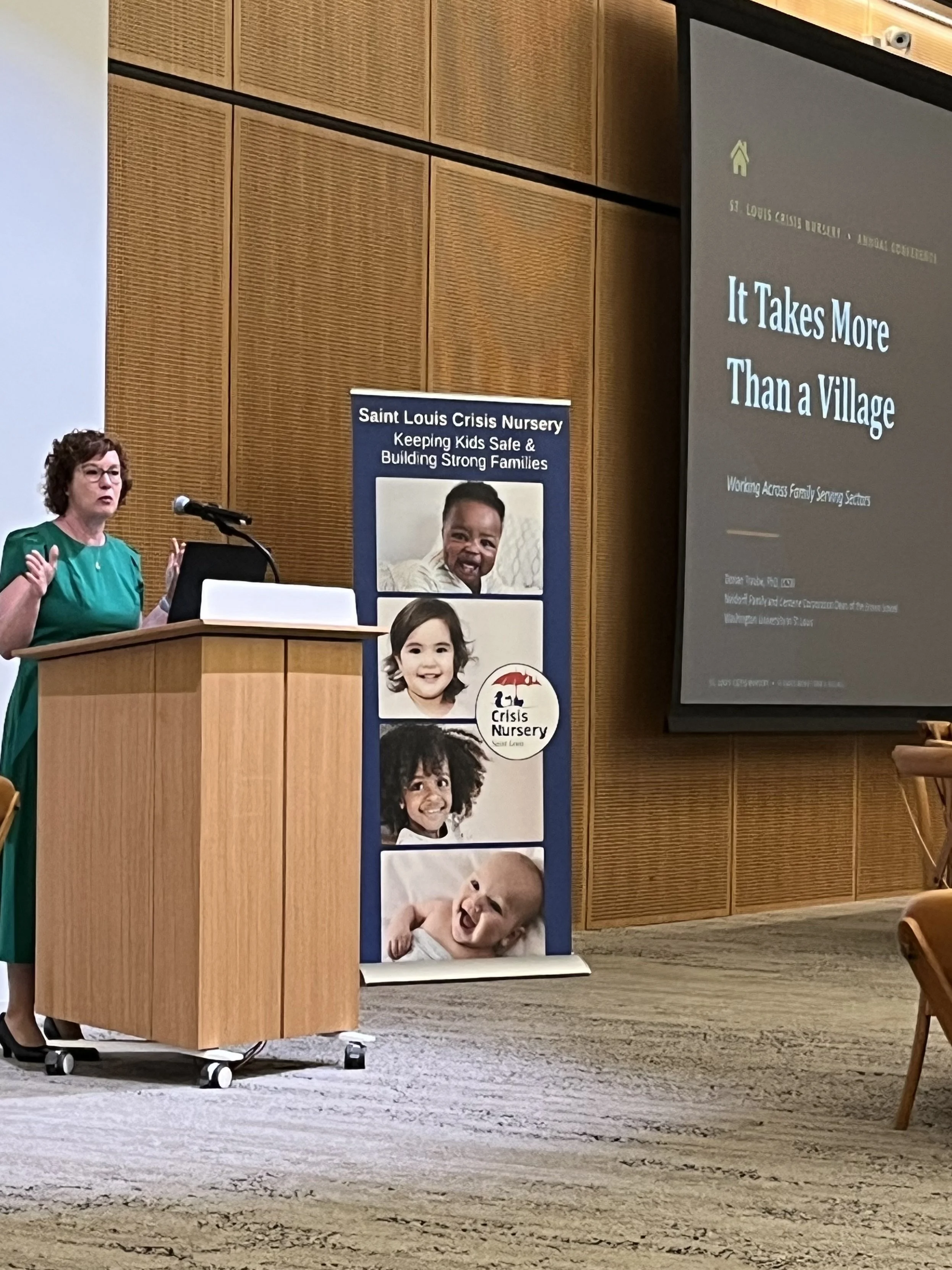
Dr. Dorian Traube is the Neidorff Family and Centene Corporation Dean of the Brown School at Washington University in St. Louis and a professor of social work.
A licensed clinical social worker with expertise in children’s mental health, child maltreatment prevention, family support interventions, and home visitation. Dr. Traube has dedicated her career to advancing innovative approaches that strengthen children, families, and communities. Prior to joining Washington University, she served in leadership roles at the University of Southern California’s Suzanne Dworak-Peck School of Social Work, where she developed innovative models to expand access to family support services through technology.
Dr. Traube’s research and leadership focus on connecting evidence-informed practice, policy, and innovation to improve outcomes for children and families. She earned her master’s and doctoral degrees in social work from Columbia University.
-
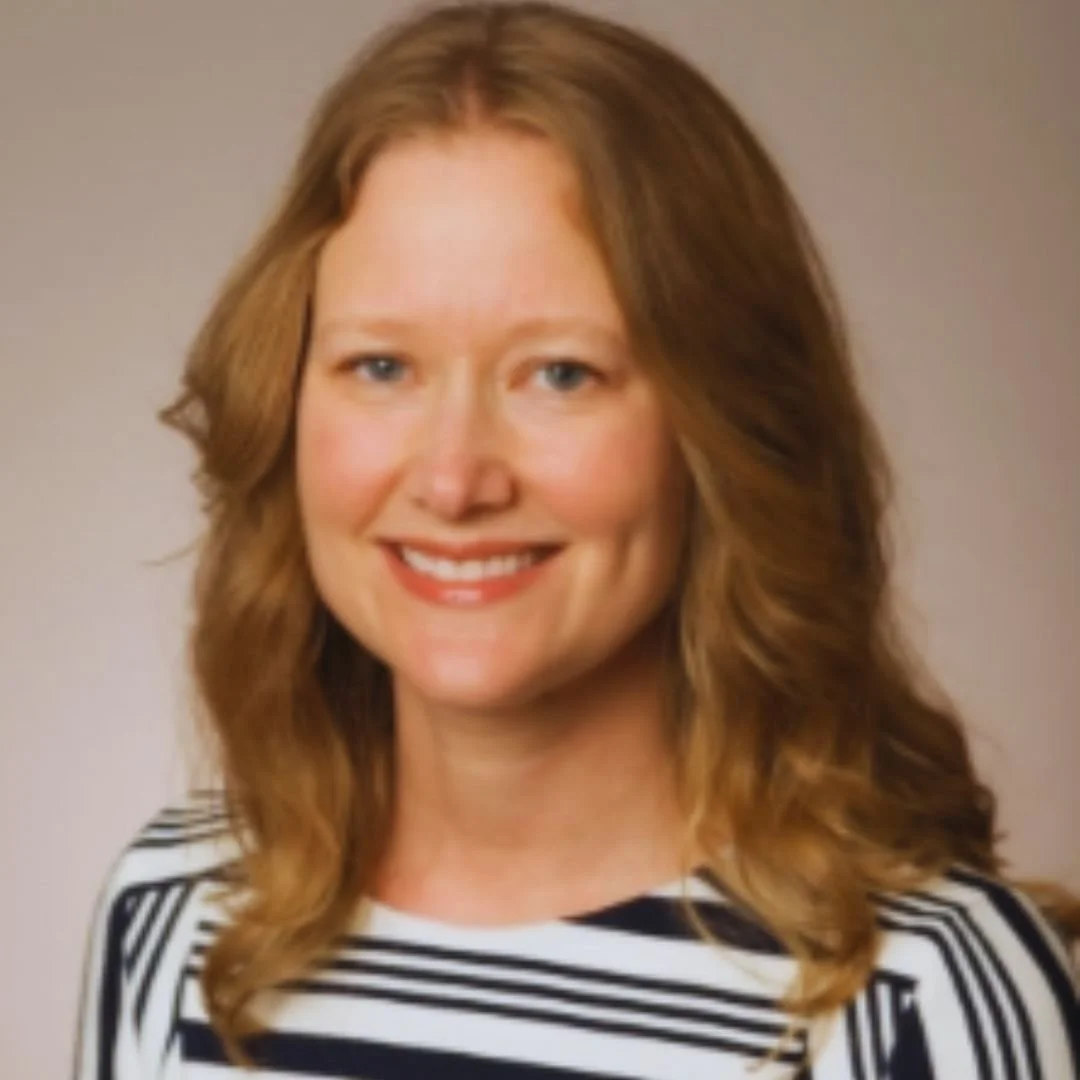
Emily van Schenkhof, MPH is the Executive Director of the Children’s Trust Fund of Missouri, where she works to advance child abuse prevention efforts and strengthen systems that support children and families across the state.
With more than 20 years of experience in child well-being and public policy, Emily has dedicated her career to improving outcomes for children and families. Prior to her current role, she served as Deputy Director of Missouri KidsFirst, advocating for policies and services that strengthened child abuse prevention and support systems. She also brings experience as a Policy Specialist with the Missouri Coalition Against Domestic and Sexual Violence.
Emily holds a Master of Public Health from the University of North Carolina–Chapel Hill and undergraduate degrees in Journalism and Political Science from the University of Missouri–Columbia.

-
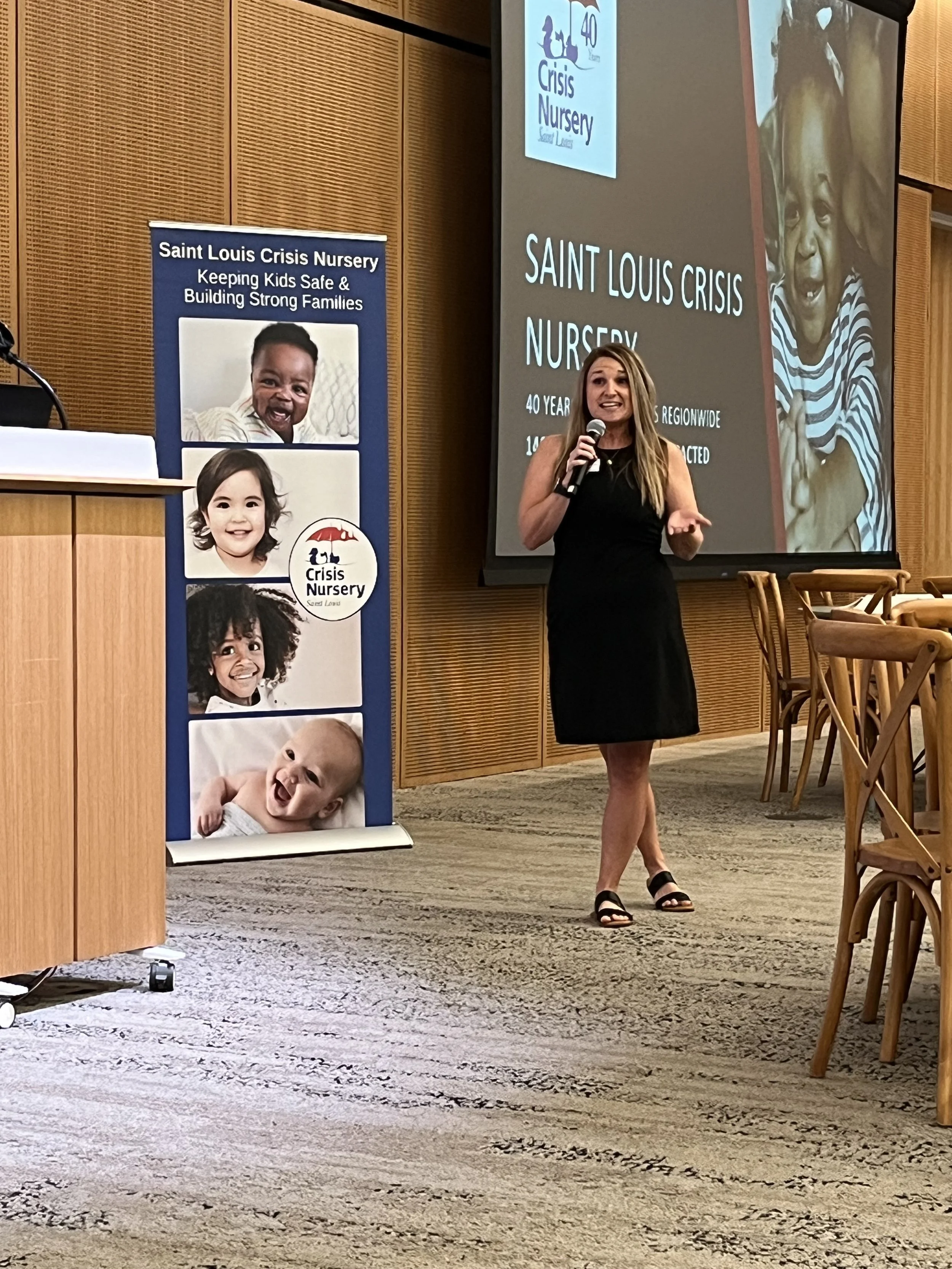
Lindsay Kyonka, MSW, LCSW is the Chief Impact Officer at the Saint Louis Crisis Nursery.
A Licensed Clinical Social Worker with 17 years of experience — including 14 at the Crisis Nursery — Lindsay has served in both direct service and leadership roles. She brings
expertise in program development, program evaluation, trauma informed care, and evidence-informed interventions for families facing risk factors for child abuse and neglect.
Inspired by the resilience of the children and families she serves, she is deeply committed to creating a region where all children thrive. Lindsay believes wholeheartedly in the mission of the Crisis Nursery and is honored to be invited into the lives of families during their most vulnerable moments.
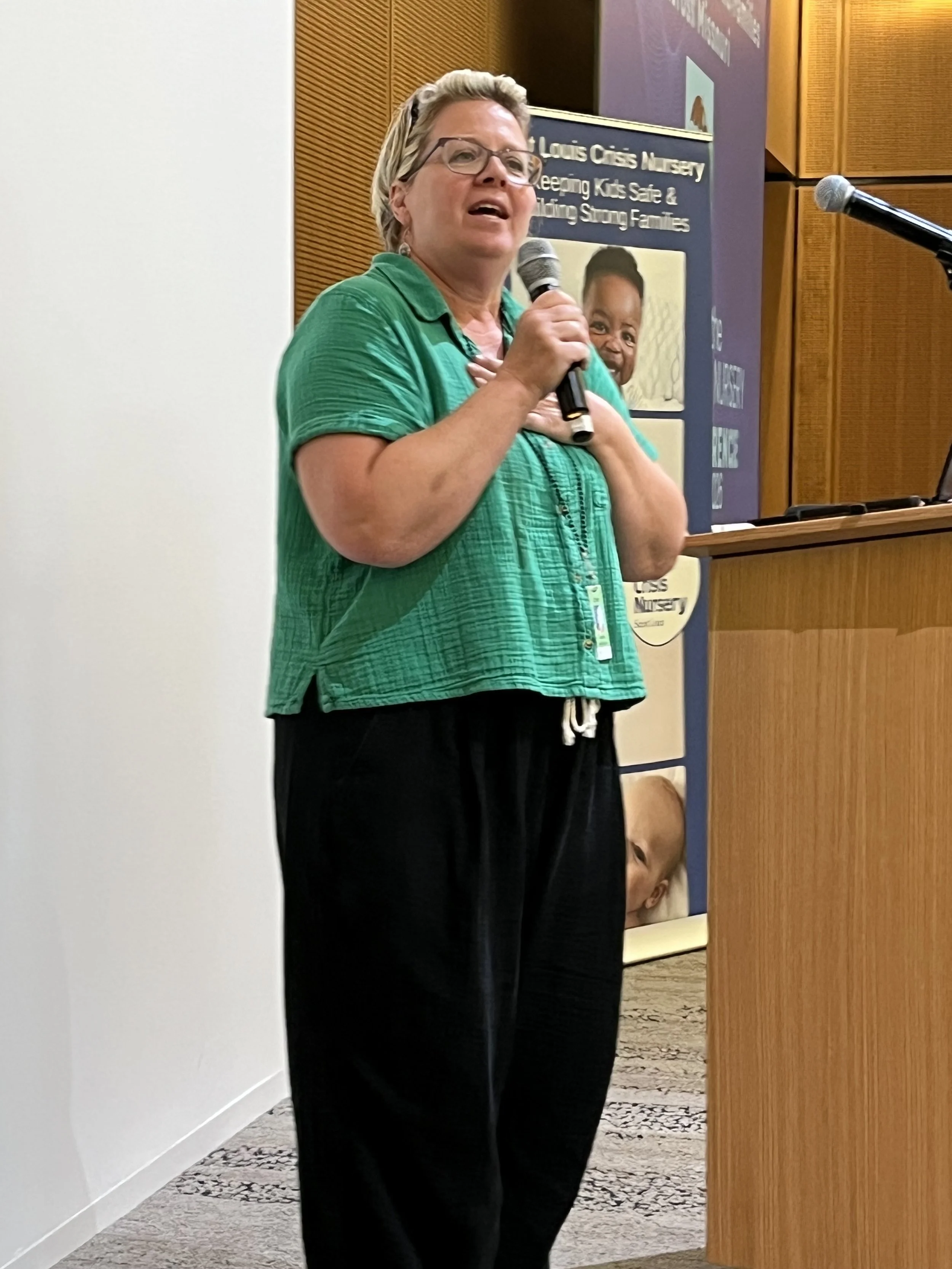
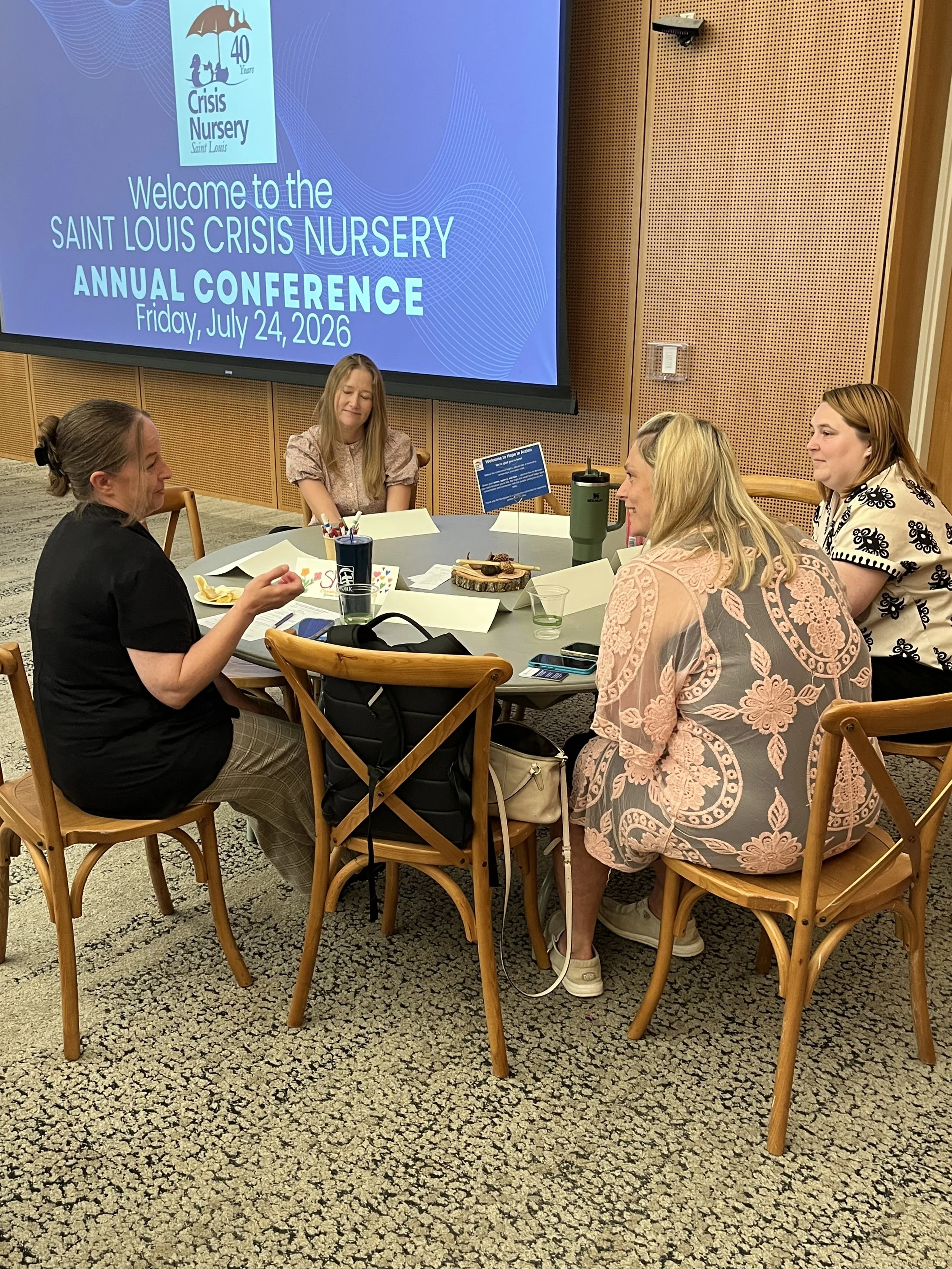
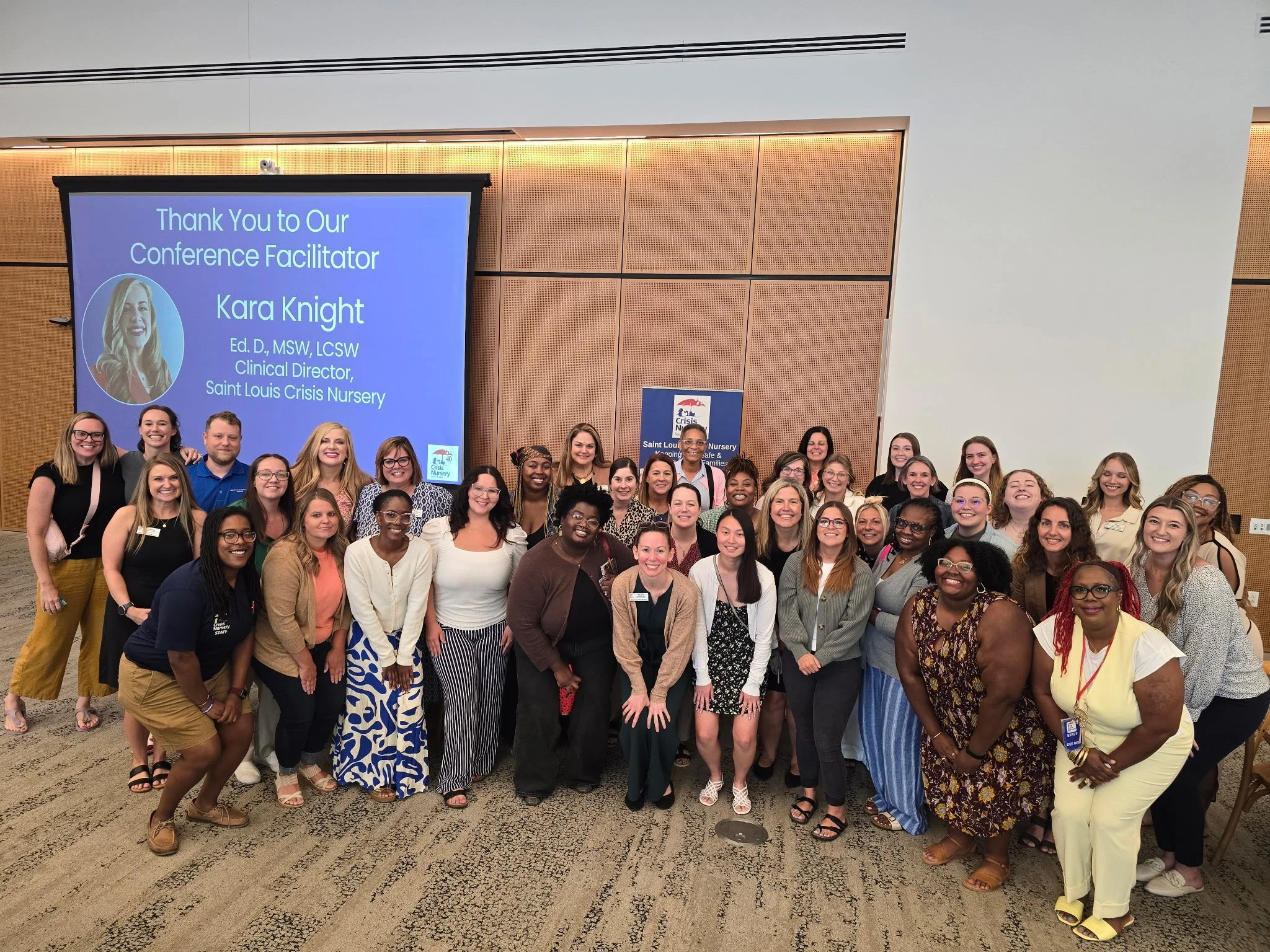
Community Action Brief
Missouri's children are growing up in an increasingly complex world. Families are navigating economic pressures, mental health challenges, housing instability, workforce shortages, and fragmented systems of care—all while striving to provide safe, nurturing environments for their children.
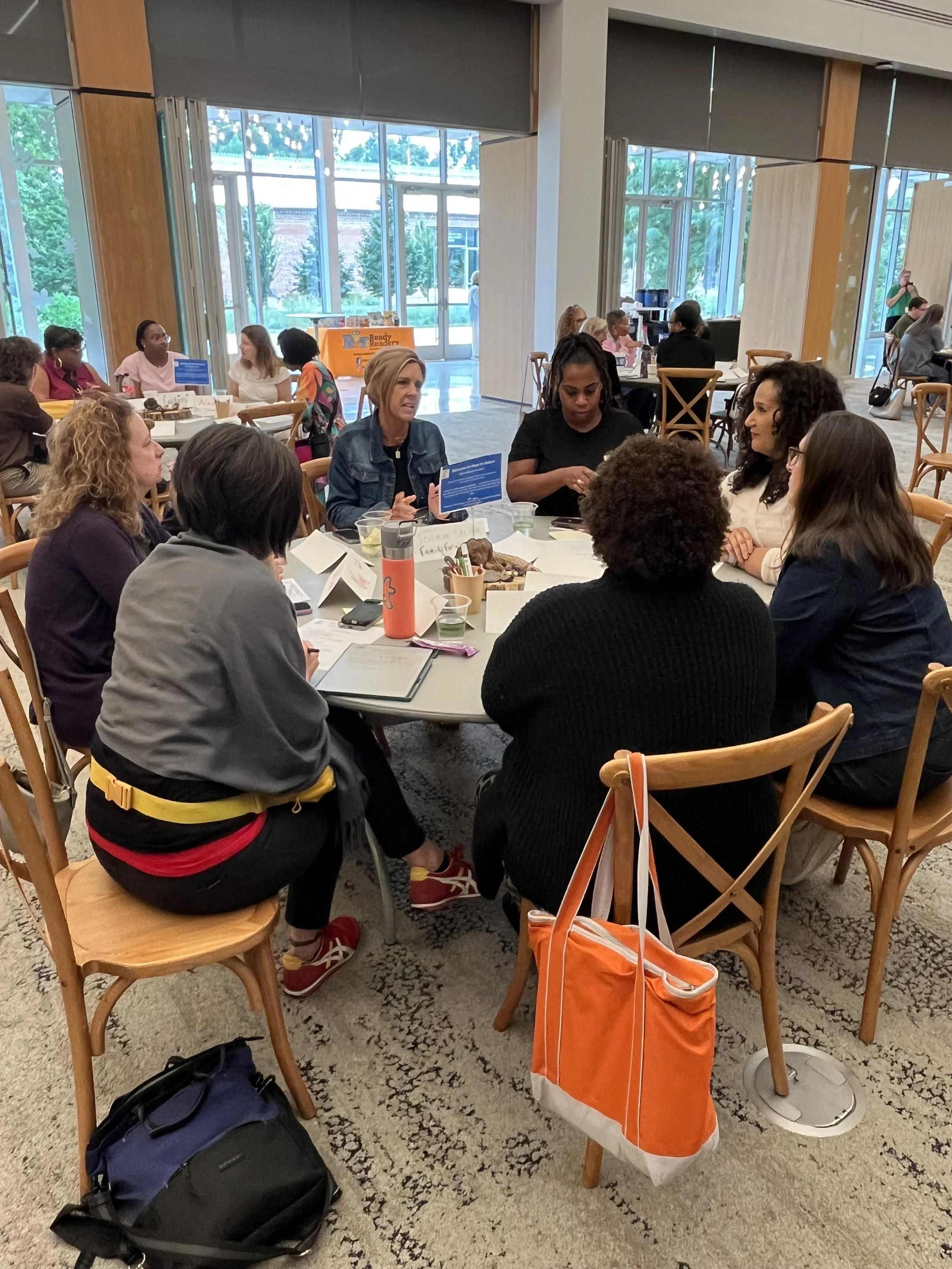
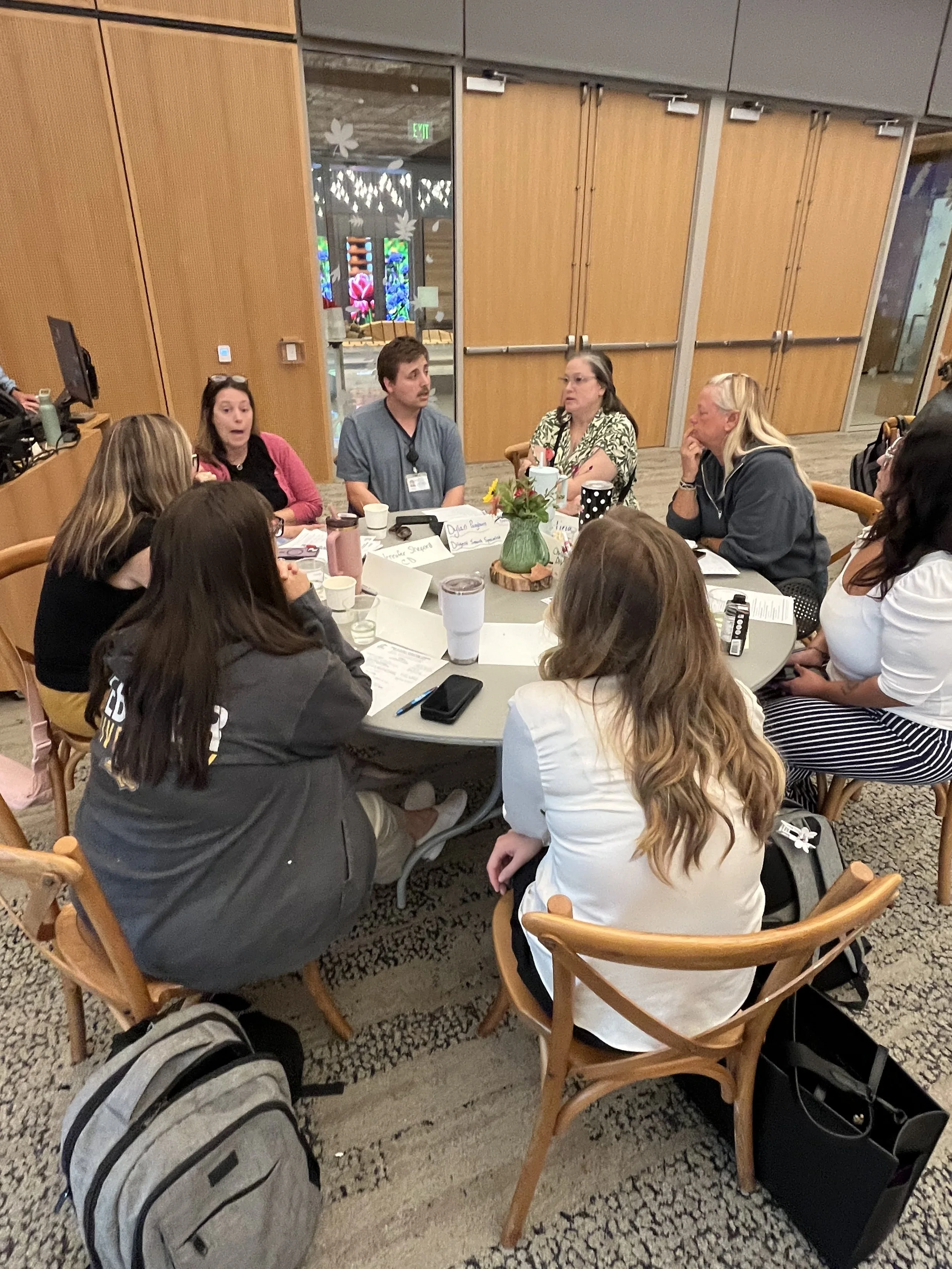
The 2026 Hope in Action Conference brought together professionals from across healthcare, education, child welfare, non-profit, government, and community organizations to explore how Missouri can better support children and families.
While each speaker offered a unique perspective, one message emerged clearly:
Children thrive when families are supported, communities collaborate, and systems are designed to work together—not separately.
The following priorities reflect the collective themes that emerged throughout the conference and offer practical opportunities for action across every sector.
Five Calls to Action
1 | Invest Earlier: Prevention Strengthens Families
The strongest child welfare system is one that prevents families from reaching crisis in the first place.
Conference presenters emphasized that access to childcare, family stabilization services, parenting support, behavioral health resources, housing assistance, and community connections all reduce stress while strengthening protective factors that help children remain safe and families remain together.
Why it Matters
Communities spend fewer resources responding to crises when they invest in helping families before those crises occur.
2 | Connect Systems Around Families
Families experience a network of services—not individual organizations.
Schools, pediatricians, childcare providers, behavioral health professionals, nonprofits, faith communities, employers, and government agencies all influence a child's well-being. Yet families often bear the burden of navigating these systems alone.
The opportunity is to move from isolated referrals to intentional partnerships.
Key Insight
Families should never have to become experts in navigating our systems simply to receive help.
3 | Lead with Trauma-Informed, Family-Centered Care
Every family brings strengths.
Every family also carries experiences we cannot immediately see.
Trauma-informed organizations respond with safety, trust, collaboration, empowerment, and compassion while recognizing that behaviors often reflect circumstances rather than character.
When families feel respected, heard, and supported, better outcomes follow.
4 | Collaboration Is a Strategy—Not an Extra
One of the conference's strongest themes was that no single organization can solve today's challenges alone.
True collaboration goes beyond networking.
It requires:
✓ Shared goals
✓ Warm handoffs
✓ Ongoing communication
✓ Trust between organizations
✓ Accountability to families—not institutions
When organizations function as one coordinated system, children experience continuity instead of fragmentation.
5 | Every Voice Can Shape Missouri's Future
Public policy affects nearly every support system children rely upon.
State investments influence childcare, education, healthcare, prevention services, housing, and family supports.
Advocacy is not limited to elected officials.
Parents.
Professionals.
Business leaders.
Faith communities.
Volunteers.
Neighbors.
Everyone has a role in creating communities where children can thrive.
Take Action Today
Volunteer with organizations serving children and families.
Build relationships across sectors.
Share resources with families who need support.
Support prevention-focused organizations.
Raise Your Voice
Vote in local, state, and national elections.
Stay informed about issues affecting Missouri's children and families.
Contact elected officials about policies that strengthen families.
Advocacy Resource
Kids Win Missouri is a statewide child advocacy coalition working to improve outcomes for Missouri children and families.
✔️ Sign up for legislative action alerts here
✔️ Explore current policy priorities here
Strengthen Your Organization
Make warm referrals.
Include family voice in decision-making.
Build partnerships before they're needed.
Continue learning about trauma-informed, family-centered practices.
Looking Ahead
The future of Missouri's children will not be shaped by one organization or one profession.
It will be shaped by thousands of people making intentional choices to strengthen families, build partnerships, advocate for smart public policy, and invest in prevention.
Because hope is not simply something we feel.
Hope is something we build—together.