
Keeping Kids Safe: Stories from 40 Years — A Conversation with the National Coalition of 100 Black Women, Inc. - Metropolitan St. Louis Chapter
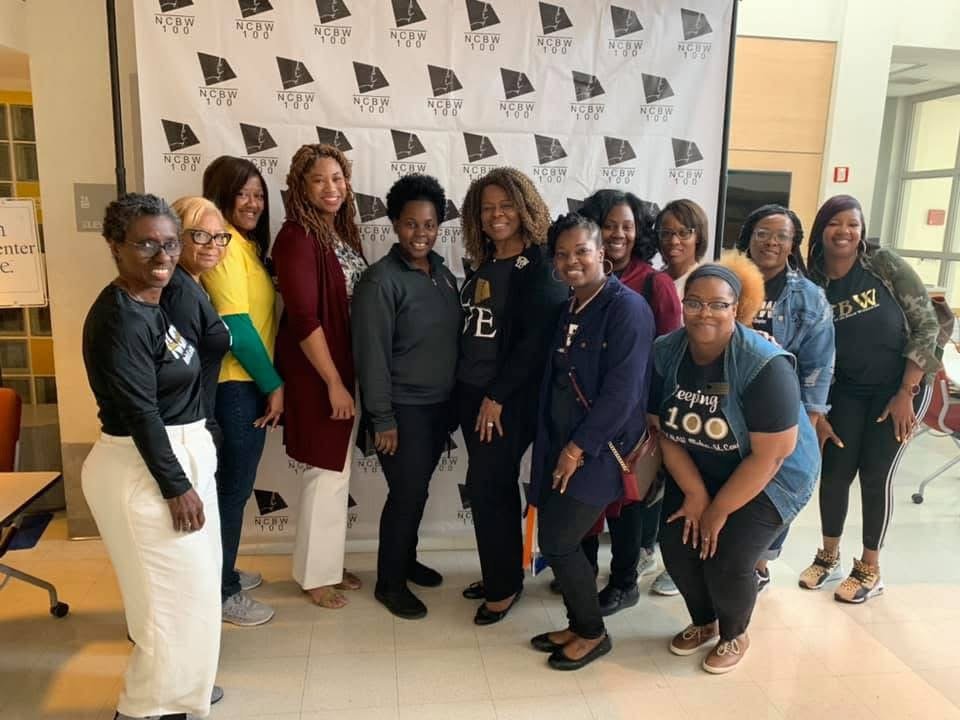
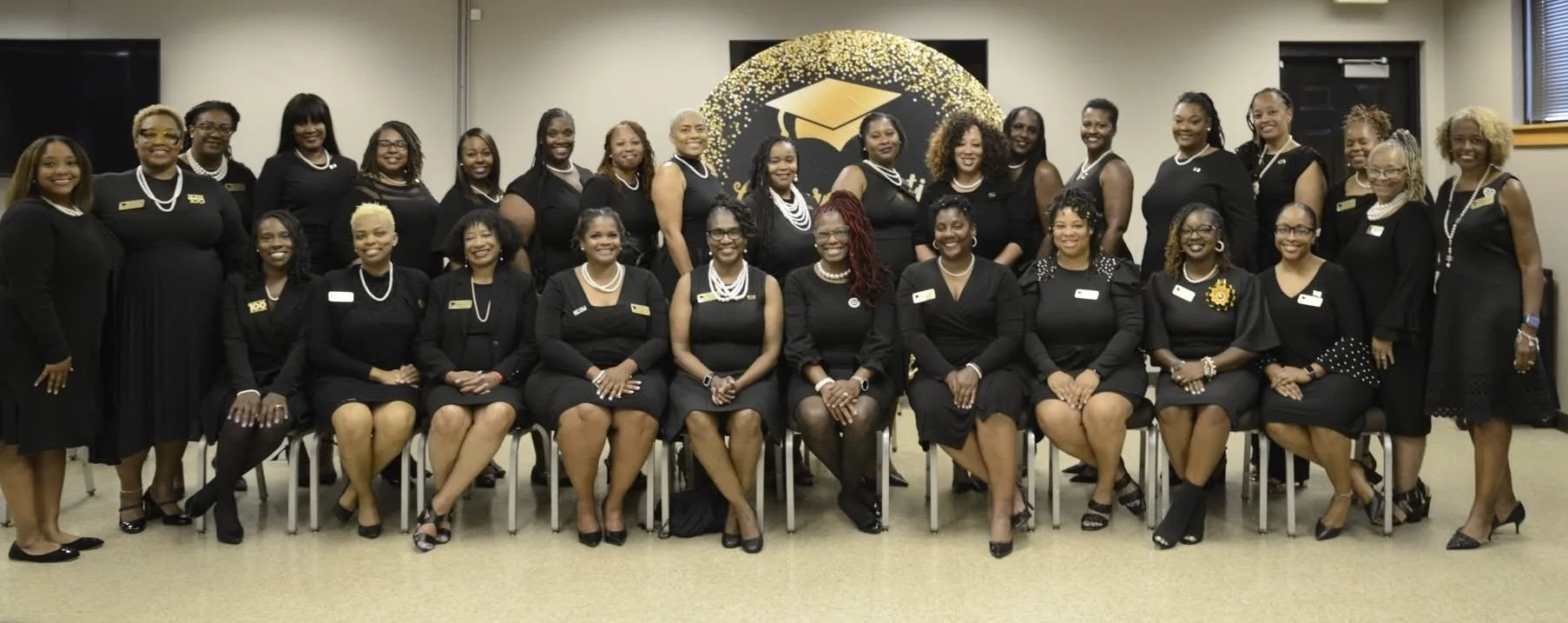
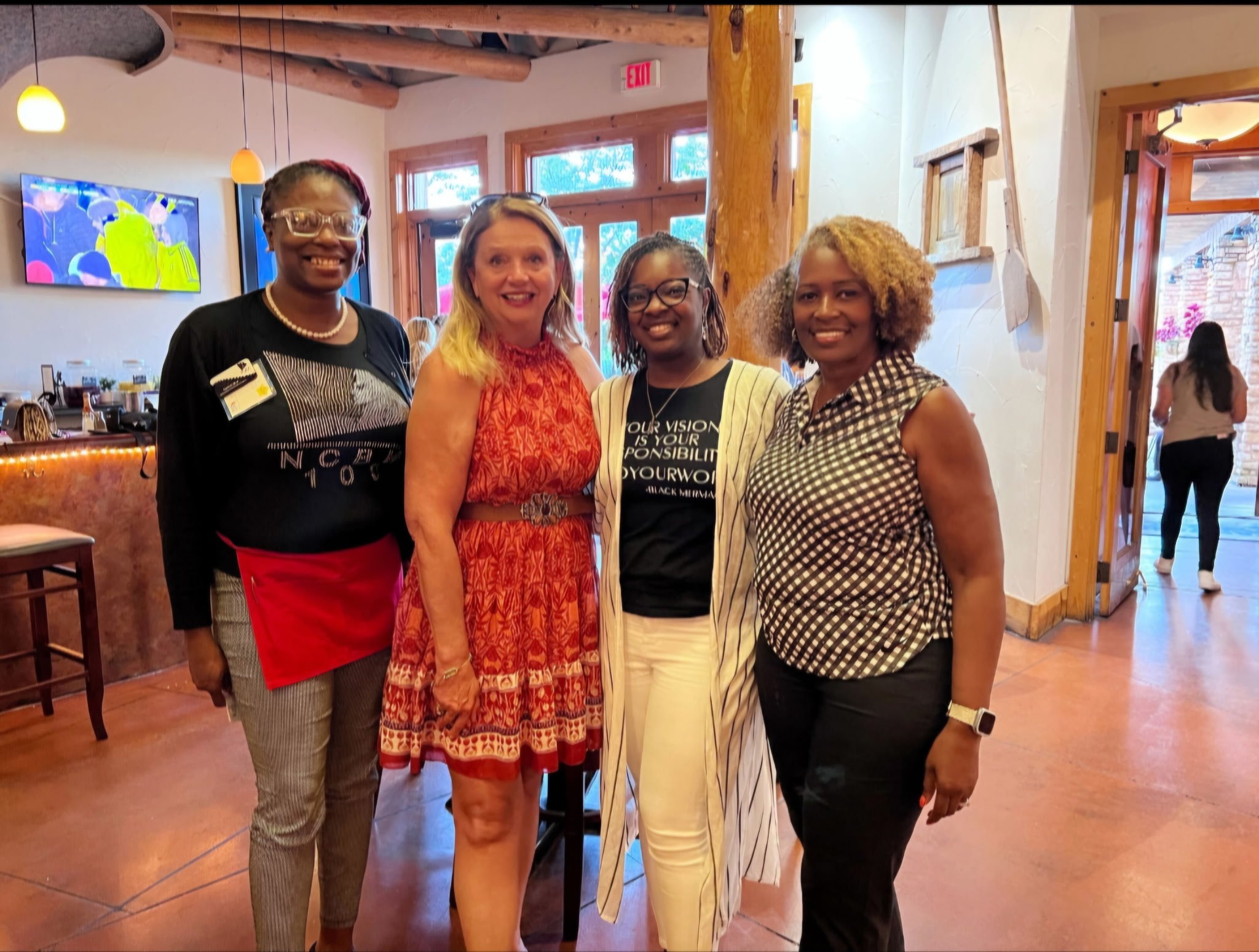

As the Saint Louis Crisis Nursery marks 40 years of Keeping Kids Safe and Building Strong Families, we’re reflecting on the partnerships and community leaders who have strengthened our mission along the way.
In this interview series, we’re sitting down with board members, staff, volunteers, and valued partners to hear, in their own words, why this work matters and how collaboration creates lasting impact for children and families.
Today, we’re honored to share a conversation with the National Coalition of 100 Black Women, Inc. - Metropolitan St. Louis Chapter, a dedicated community partner whose advocacy, leadership, and commitment to families continue to make a meaningful difference in the lives of those we serve.
**********
What was the Coalition’s role in the early conversations that led to the creation of the Crisis Nursery?
For forty years, the partnership between the National Coalition of 100 Black Women, Inc. - Metropolitan St. Louis Chapter, and the Saint Louis Crisis Nursery has been a living reflection of our core values—advocacy, service, leadership, and a deep commitment to the wellbeing of Black women, children, and families. From the earliest days of our chapter, our members understood that strengthening communities begins with protecting the most vulnerable among us. The Nursery’s mission—to prevent child abuse and neglect by offering safe, supportive care before a crisis becomes irreversible—mirrors our belief that prevention, education, and presence are some of the most powerful forms of empowerment.
What need or gap in the community do you think the Coalition recognized early on that others may not have fully seen?
NCBW St. Louis Metropolitan Chapter (NCBWSTL) recognized a need for empowerment and advocacy for Black women and girls in the areas of health, education, and economic empowerment. When the Coalition of 100 Black Women partnered with the Junior League of St. Louis and Deaconess Hospital in February 1986 this overarching need remained front and center. NCBWSTL assisted in structuring the nursery’s programs, established a referral system to ensure services reached families, and provided staff with training.
Over the years, how have you seen the Coalition’s values reflected in the Nursery’s work with children and families?
Seeing this alignment in action over the decades has been both humbling and inspiring. The Coalition’s values show up not only in the services the Nursery provides but in the compassion, dignity, and respect with which families are treated. For us, the Nursery embodies what it looks like when a community refuses to abandon its children. It shows what can happen when women—especially Black women—organize, advocate, and lead with purpose.
What does it mean to you that this partnership has endured for four decades?
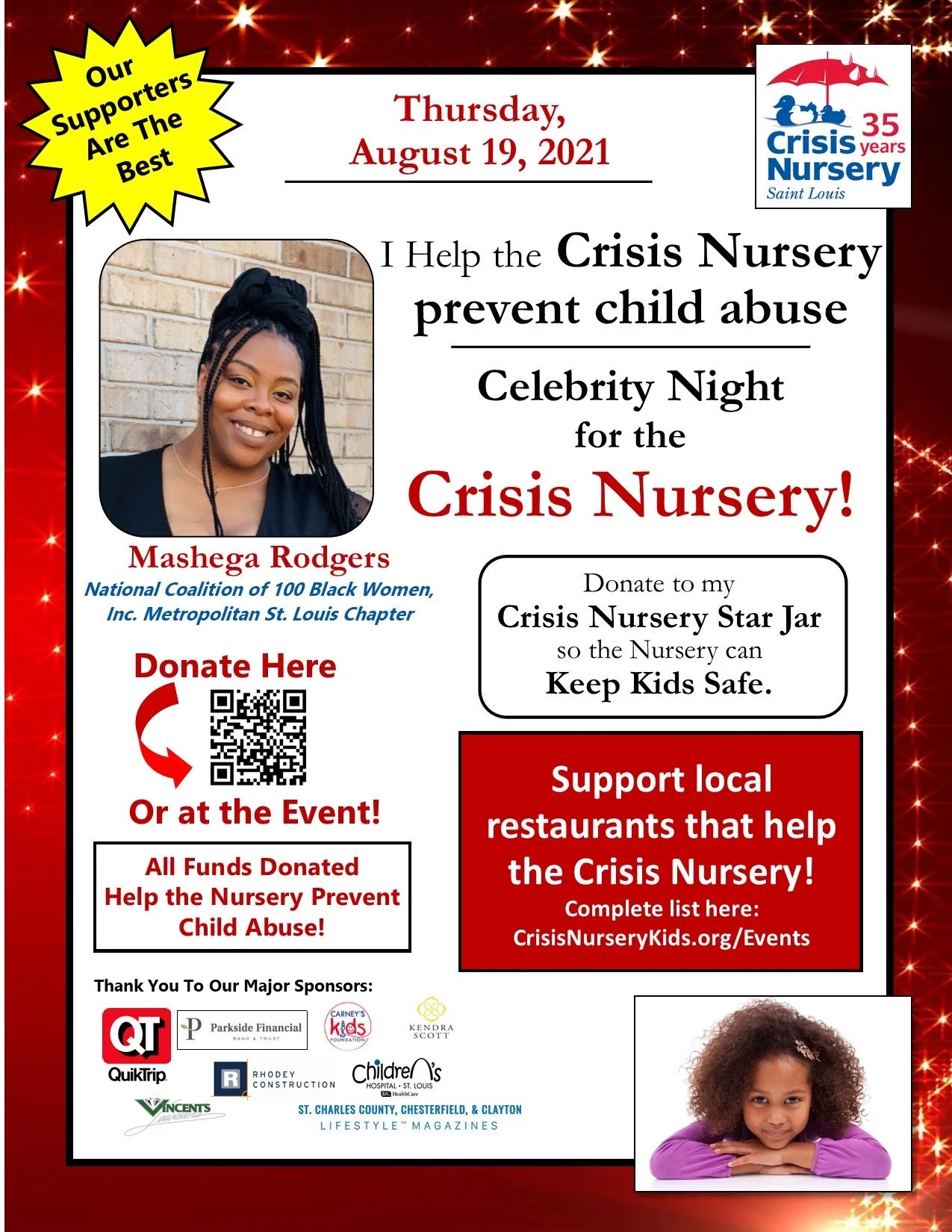
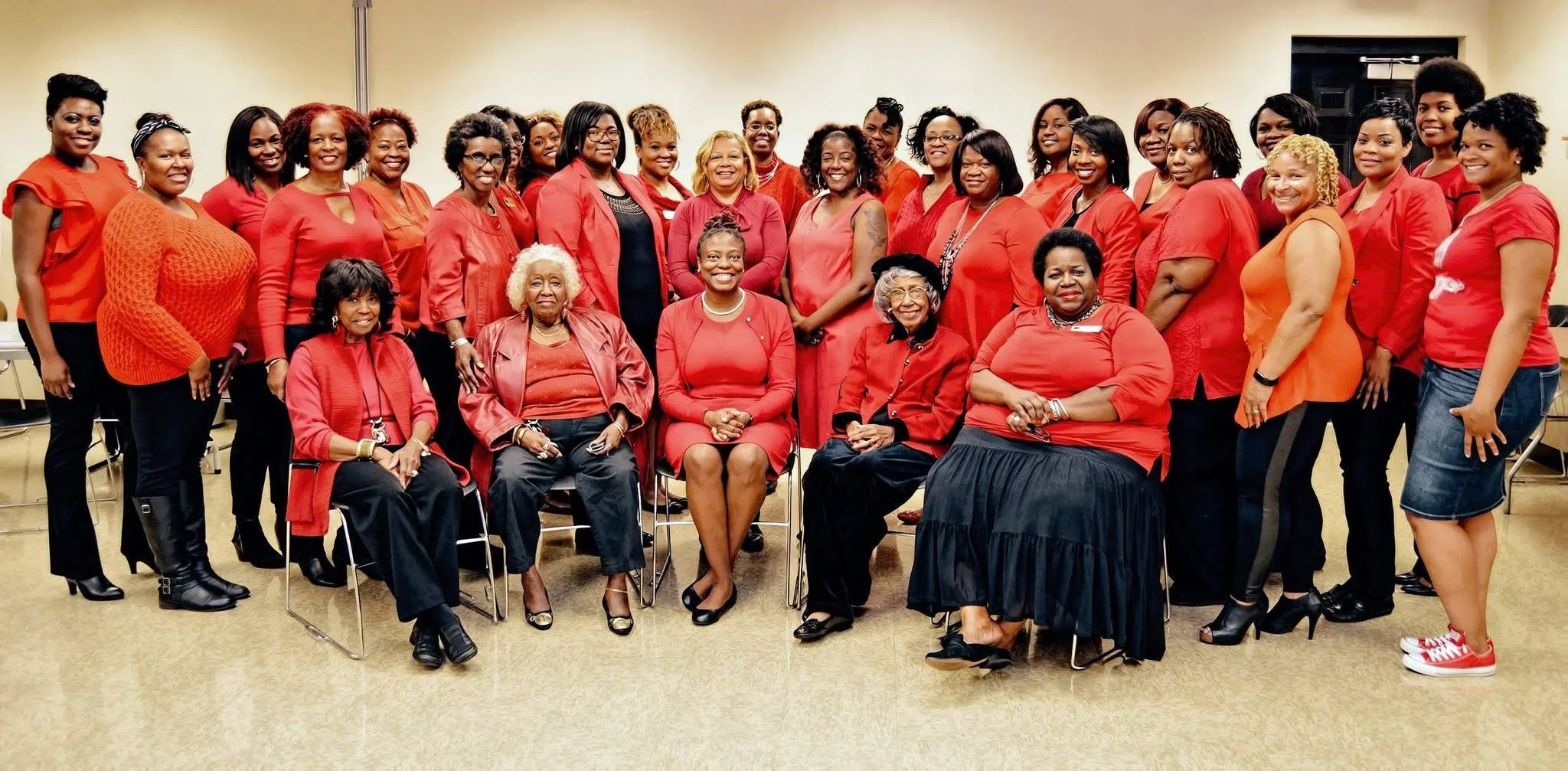
That this partnership has endured for four decades is meaningful beyond words. It affirms our chapter’s consistency, relevance, and commitment to long‑term social impact. It also honors the vision of those early Coalition members whose leadership created a foundation strong enough to sustain decades of service. Their work—and the work of the many sisters who have sustained this partnership over time—deserves to be remembered, celebrated, and lifted up. Members who have chaired and supported the Crisis Nursery Committee, including recent leaders like Mashega Bryant and Lisa Garrett, represent a long lineage of women whose advocacy and hands‑on service have kept this partnership vibrant.
Why do you think the Crisis Nursery has remained relevant and necessary for 40 years?
The Nursery’s endurance over forty years speaks to its necessity. Families continue to face economic instability, parental stress, mental health challenges, community violence, and gaps in social support. The fact that the Crisis Nursery remains deeply relevant today underscores how essential prevention‑focused services still are. As long as parents experience moments where they have nowhere to turn, the Nursery’s work—and our commitment to it—remains vital.
What does prevention look like through the lens of the Coalition’s work and leadership?
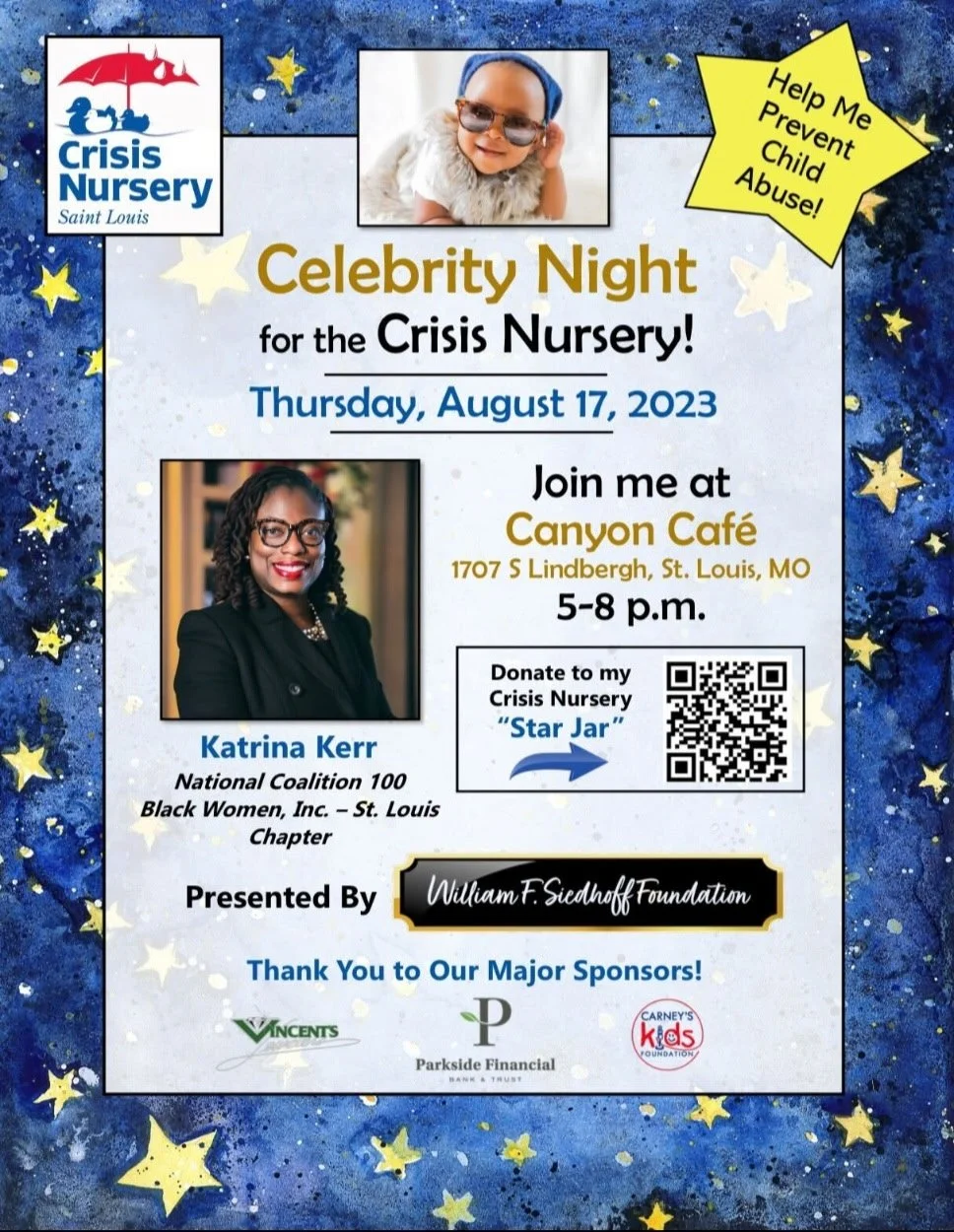
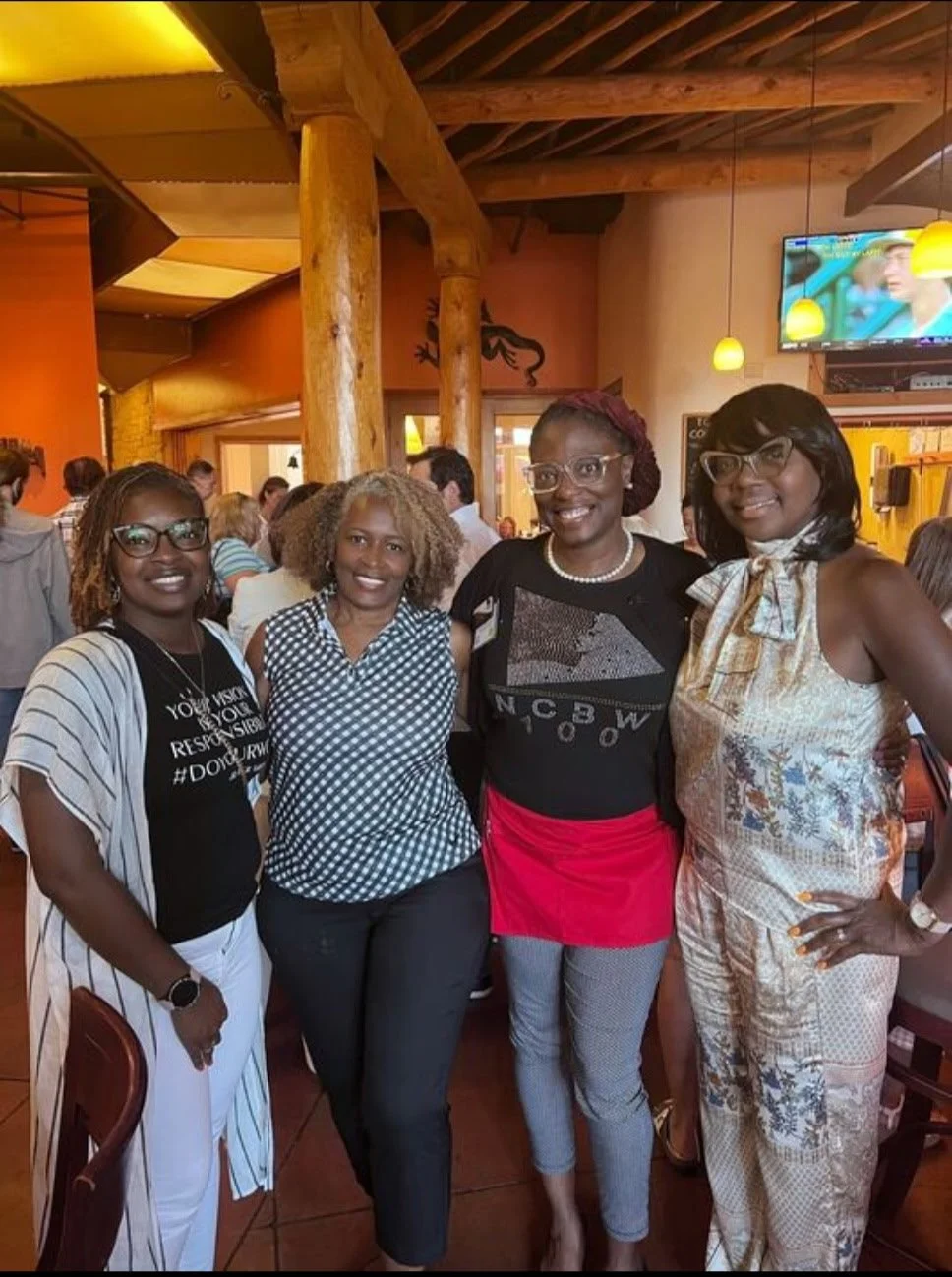
Through the NCBWSTL's lens, prevention looks like showing up early, consistently, and without judgment. It looks like volunteers supporting events that sustain the Nursery’s programs, such as the Crisis Nursery’s Razzle Dazzle Ball and Dine Out for the Nursery, formerly known as Celebrity Waiter — fundraisers our chapter proudly participates in. It looks like educating communities, advocating for policies that strengthen families, and ensuring that mothers—particularly Black mothers—have access to the resources they need before crises arise. Prevention is not passive; it is intentional, strategic, and compassionate leadership in action.
In one sentence, how would you describe the significance of the Coalition for 100 Black Women’s relationship with the Crisis Nursery, past, present, and future?
As we celebrate forty years, we honor both the legacy and the future of this partnership. It is a testament to what can happen when our values are not just spoken, but lived—generation after generation.